
Reconstructive & Burn Surgery
Burn Care
“From fire to flawless — healing burns with care and precision.”
A burn is an injury to the skin and deeper tissues that occurs when the body is exposed to extreme heat, electricity, chemicals, friction, or radiation. The skin, our largest organ, serves as a vital barrier protecting us from infection, dehydration, and injury — so when it’s damaged by a burn, the consequences can be both local and systemic.
Burns can range from mild surface redness to extensive destruction of skin, fat, muscle, and even bone. Beyond the initial damage, burns also trigger inflammation, fluid loss, and increased susceptibility to infection. In severe cases, they can lead to shock or multi-organ complications, making prompt and expert care essential.
Common causes include flames, scalding liquids, hot objects, electricity, chemical spills, and prolonged sun exposure. Each type of burn behaves differently — some cause immediate tissue destruction, while others continue to deepen over time due to ongoing heat or chemical activity.
Stages & Treatment of Burns
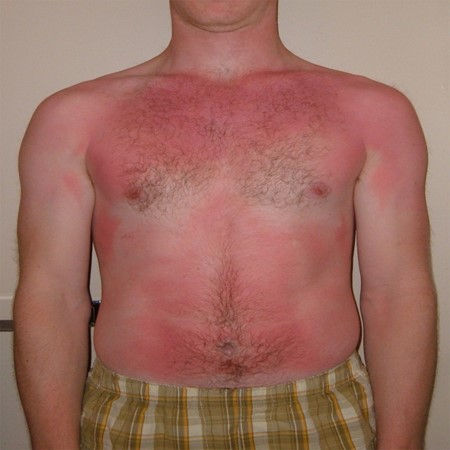
1st Degree Burn
-
Caused by Flash flame or Sunburn.
-
Erythematous skin, with minimal edema & no blistering.
-
Moderately painful.
-
Heals by itself in 1 - 2 weeks, without scarring.
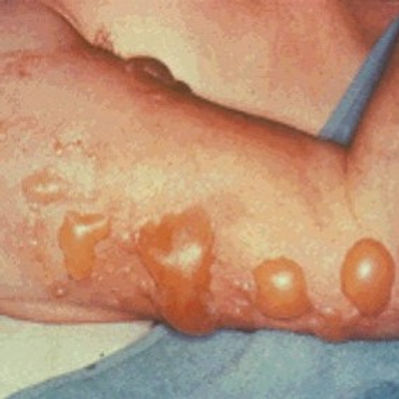
2nd Degree Superficial Burn
-
Contact with hot solids or liquids for short duration of time.
-
Erythematous, cherry-red skin, with blisters.
-
Severely painful.
-
Heals by itself in 2 – 3 weeks, with minimal scarring.
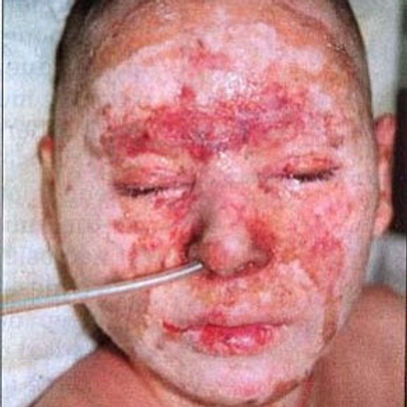
2nd Degree Deep Burn
-
Caused by prolonged contact with hot liquids or solids & Flame burns.
-
Red & white skin, with bloody blisters.
-
Severely painful.
-
May heal by itself over several weeks, but usually results in scarring or contracture formation, as well as progression to 3rd degree burn.
-
May require surgical excision & grafting.
3rd Degree Burn
-
Contact with hot liquids or solids, flame, chemical or electrical.
-
Dry, dark, leathery skin, with charred vessels visible under the eschar.
-
Painless, even on hair-pulling.
-
Results in scarring, contractures or amputation, if left untreated.
-
Always requires excision with grafting.

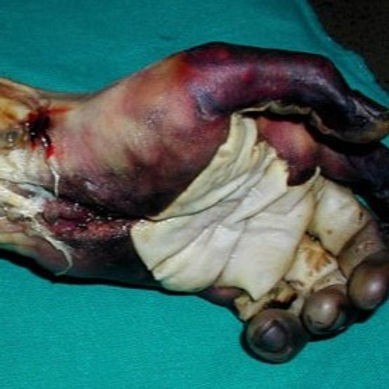
4th Degree Burn
-
Extends through skin, subcutaneous tissue and into underlying muscle and bone
-
The tissues appear black, dry & charred, with eschar formation.
-
Painless.
-
Always requires extensive reconstruction of multiple structures.
-
If left untreated, can result in amputation, significant functional impairment, possible gangrene, and in some cases death.
Inhalational Burn
-
Singed facial and/or nasal hair.
-
Erythema of the oral and/or nasal mucosa.
-
Soot particles in the sputum.
-
Hoarseness or strider.
-
Raised Carboxyhemoglobin levels
-
Immediate intubation warranted, as can lead to airway obstruction.

Book Consultation — Burn Treatment in Pakistan
Dr. Saud Majid, Plastic & Reconstructive Surgeon, provides comprehensive burn care, including acute burn management and long-term reconstructive surgery, with a focus on function, appearance, and patient safety.
Consultation includes:
-
burn assessment.
-
treatment planning.
-
surgical evaluation if needed.
-
rehabilitation guidance.