
Reconstructive & Burn Surgery
Cleft Lip & Palate
“Turning a cleft into a confident smile — because every masterpiece deserves its perfect finish.”
What is Cleft Lip/Palate?
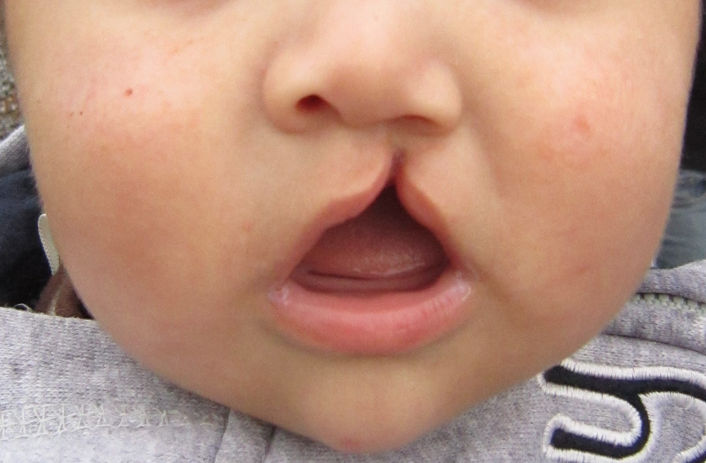
A cleft lip is a split or opening in the upper lip, and a cleft palate is a gap in the roof of the mouth. Both happen when a baby’s facial structures don’t fully join together during early pregnancy.
They can occur separately or together — a cleft lip, a cleft palate, or both. It can vary in severity—from a small notch in the lip to a wider opening that extends into the nose or palate. It can be located either only on one side, or it can be bilateral. While it may affect feeding, speech, and appearance, advances in plastic surgery now allow complete and natural restoration.
Treatment is usually performed in stages during infancy and childhood, focusing on improving appearance, speech, and function. With skilled surgical repair and supportive care, children born with clefts can grow up to smile, speak, and live confidently—without limitations.
Causes of Cleft Lip and Palate
The exact cause is often unknown, but factors may include:
-
genetic predisposition.
-
parents with the same condition.
-
-
nutritional deficiencies during pregnancy.
-
folic acid deficiency.
-
lack of multivitamins.
-
-
environmental factors.
-
high level of air or land pollution.
-
-
certain maternal illnesses during pregnancy.
-
maternal obesity.
-
stress & infections.
-
smoking & alcohol abuse
-
-
some medications.
-
topiramate (anti-seizure medication).
-
isotretenoin (acne medication).
-
methotrexate (cancer medication).
-
corticosteroids.
-
Problems Associated with Cleft Lip and Palate
If left untreated, these conditions may lead to:
-
difficulty feeding in infants.
-
speech and pronunciation problems.
-
recurrent ear infections and hearing issues.
-
dental and jaw abnormalities.
-
psychosocial concerns as the child grows.

Treatment of Cleft Lip and Palate
Treatment for cleft lip and palate is carefully planned in stages to ensure the best aesthetic and functional results as the child grows.
The first surgery for a cleft lip is usually performed within the first few months of life, while cleft palate repair typically follows within the first year. These early surgeries restore normal lip and palate structure, allowing proper feeding, speech development, and facial growth.
As the child grows, secondary procedures may refine appearance, improve speech, or correct dental and nasal issues. A team approach—often involving plastic surgeons, speech therapists, orthodontists, and pediatric specialists—ensures every aspect of the child’s well-being is addressed.
With modern reconstructive techniques, most children go on to lead completely normal, confident lives with natural-looking results.
Goals of Surgery
-
enable normal feeding.
-
support clear speech development.
-
improve facial appearance and symmetry.
-
minimize long-term complications.
Recovery and Follow-Up
-
hospital stay is usually short.
-
regular follow-ups are required.
-
long-term monitoring ensures proper growth and function.
Parents are guided at every step regarding feeding, wound care, and speech development.
Complications of Cleft Lip and Palate
While treatment for cleft lip and palate is highly successful, some children may experience certain challenges as they grow. These can include feeding difficulties in infancy, ear infections or hearing problems due to fluid buildup, and speech or dental issues as teeth and facial bones develop.
After surgery, some children may need revision procedures to further refine appearance or function, especially as the face matures. With regular follow-up and supportive therapies, most of these issues can be effectively managed.
Modern reconstructive techniques ensure that children not only look great but also eat, speak, and smile with confidence.
Book Consultation — Cleft Lip and Palate Surgery in Pakistan
Dr. Saud Majid, Plastic & Reconstructive Surgeon, provides comprehensive care for children born with cleft lip and palate, focusing on functional restoration, facial harmony, and long-term outcomes.
Consultation includes:
-
detailed examination.
-
explanation of treatment stages.
-
surgical timing guidance.
-
long-term care planning.