
Reconstructive & Burn Surgery
Neurofibromatosis
“When your nerves get a little too creative — and start decorating themselves.”
What is Neurofibromatosis?
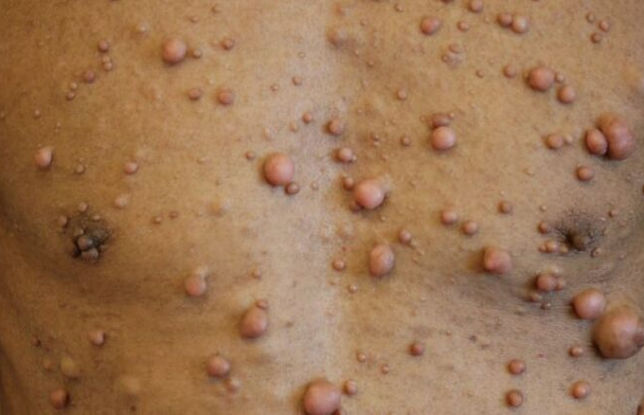
Neurofibromatosis is a genetic condition that causes growth of benign (non-cancerous) tumors along the nerves of the body. These growths, called neurofibromas, can appear on the skin, under the skin, or deeper inside the body.
There are two main types:
-
Neurofibromatosis Type 1 (NF1): The more common form, often seen as soft skin lumps, café-au-lait spots (light brown patches), and sometimes freckling in unusual areas like the armpits. Key types of NF1 include:
-
Cutaneous Neurofibromas (99% of patients): Small, soft, fleshy, benign tumors on or just below the skin, often appearing in adolescence.
-
Subcutaneous Neurofibromas (approx. 15%): Firm, sometimes tender, nodules located deeper under the skin, usually arising during adolescence or adulthood.
-
Plexiform Neurofibromas (approx. 30%): More complex tumors that grow along nerve bundles, often appearing from birth or early childhood. They can be disfiguring, cause pain or functional deficits, and can sometimes become malignant.
-
-
Neurofibromatosis Type 2 (NF2): A rarer form that mainly affects the nerves of the ears and brain, potentially leading to hearing problems or balance issues. Clinical types include:
-
Wishart Type (Severe): Early-onset (childhood/teens) with rapid progression, often featuring multiple cranial nerve tumors and more severe complications.
-
Gardner Type (Mild): Later-onset (usually 20s or older), slower progression, often characterized primarily by bilateral vestibular schwannomas (tumors on hearing nerves) with few other symptoms.
-
Congenital NF2: Rare form where bilateral vestibular schwannomas are present in the first months of life, sometimes with skin plaques.
-
Treatment of Neurofibromatosis
There is no single cure for neurofibromatosis, but many of its effects can be managed successfully with careful monitoring and tailored treatment.
Observation and Monitoring:
Most neurofibromas are benign and slow-growing. Regular check-ups, imaging, and skin examinations help track any changes in size, number, or behavior of the tumors.
Surgical Removal:
When neurofibromas become painful, disfiguring, or affect nearby structures, surgical excision is the most effective treatment. Depending on the size and depth, these can often be removed under local or general anesthesia with careful attention to preserving nearby nerves and minimizing scarring.
Reconstructive and Aesthetic Surgery:
In cases where multiple lesions cause significant cosmetic or functional concerns, reconstructive procedures can help restore a smoother, more natural appearance. Modern techniques allow removal and refinement in stages to achieve balanced, aesthetic outcomes.
Medical and Supportive Care:
Some patients may benefit from genetic counseling, pain management, or targeted medical therapies currently under study to help control tumor growth and improve quality of life.
Early detection, multidisciplinary care, and expert surgical planning help maintain both health and appearance over time.
Diagnosis
Diagnosis is based on:
-
clinical examination.
-
imaging (ultrasound or MRI) if required.
-
biopsy in selected cases.
Accurate diagnosis helps plan appropriate treatment.
Complications of Neurofibromatosis
The effects of neurofibromatosis vary widely — some people have only a few small growths, while others develop more extensive involvement. Most complications are manageable with regular follow-up and timely treatment.
Cosmetic and Emotional Concerns:
Visible skin tumors can affect confidence and self-image, especially when they appear on the face or exposed areas. Reconstructive or aesthetic procedures can greatly improve appearance and comfort.
Nerve Involvement:
Some neurofibromas may press on nearby nerves, causing discomfort, pain, or weakness in the affected area. Early removal helps prevent nerve damage and restore function.
Functional Problems:
Depending on location, growths can interfere with hearing, vision, or movement. NF2 in particular can cause hearing loss or balance issues due to tumors on the auditory nerves.
Malignant Transformation:
Rarely, a neurofibroma (usually a Plexiform Neurofibroma) can turn cancerous, developing into a malignant peripheral nerve sheath tumor (MPNST). Regular medical monitoring is essential for detecting such changes early.
Surgical Risks:
After excision, there may be temporary swelling, bruising, or scarring. Multiple or deep lesions may require staged procedures to achieve the best aesthetic and functional results.
With careful management and specialized surgical care, most patients lead healthy, active lives with excellent long-term outcomes.
Recovery and Follow-Up
Recovery depends on size and location. Larger sizes and the placement in sensitive areas, like the face, tend totake longer to recover.
Follow-up is important in all cases to monitor recurrence or new lesions. The patient should be know that this is highly likely since no definitive treatment exists at the moment.
Book Consultation — Neurofibroma Treatment in Pakistan
Dr. Saud Majid, Plastic & Reconstructive Surgeon, offers expert evaluation and surgical management of neurofibromas, focusing on functional preservation, safe removal, and aesthetic outcomes.
Consultation includes:
-
detailed assessment.
-
imaging and treatment planning.
-
discussion of risks and expectations.
-
long-term follow-up guidance.