
Reconstructive & Burn Surgery
Skin Cancer
“Your skin remembers every sunburn — even the ones you’ve forgotten.”
What is Skin Cancer?
Skin cancer is the abnormal growth of skin cells, usually caused by excessive exposure to ultraviolet (UV) radiation from the sun or tanning beds. It is the most common type of cancer, but also one of the most treatable — especially when detected early.
The most common types of skin cancer are:
-
Basal Cell Carcinoma (BCC): The most common and least aggressive form, often appearing as a pearly bump or non-healing sore.
-
Squamous Cell Carcinoma (SCC): May appear as a scaly patch or ulcer that bleeds easily and can spread if untreated.
-
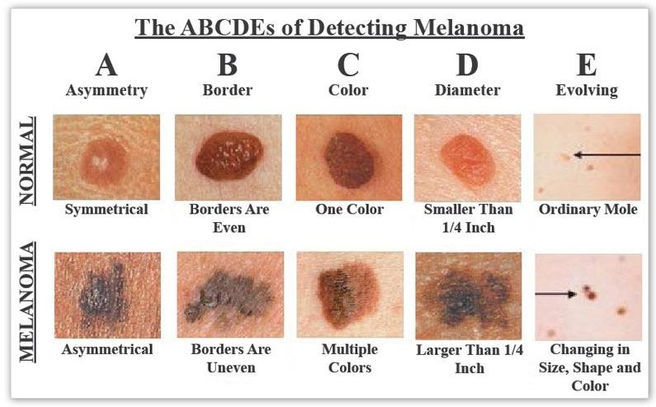
Malignant Melanoma (MM): The most serious type, developing from pigment-producing cells. It may look like a new or changing mole with irregular borders, color variation, or rapid growth.
-
Marjolin’s ulcer (MU): This is a rare but aggressive form of skin cancer that develops in an area of previous injury, scar, or chronic wound — most commonly over old burn scars, ulcers, or long-standing wounds that never heal completely.
Risk Factors
-
excessive sun exposure.
-
history of sunburns.
-
fair or medium skin tone (but darker skin is not immune).
-
family or personal history of skin cancer.
-
chronic wounds or scars.
-
exposure to radiation or chemicals.
Diagnosis
Diagnosis involves:
-
detailed skin examination.
-
dermoscopy.
-
skin biopsy for confirmation.
-
imaging (CT or MRI) may be required in advanced cases.
Warning Signs of Skin Cancer
Seek medical evaluation if you notice:
-
a sore that does not heal, especially if present within a scar.
-
a mole that changes in size, color, or shape.
-
bleeding or ulceration.
-
irregular borders or multiple colors.
-
rapid growth of a skin lesion.
Treatment of Skin Cancer
Treatment for skin cancer depends on the type, size, and location of the lesion, as well as the patient’s overall health and cosmetic goals. The aim is complete removal of the cancer while preserving function and achieving the best possible aesthetic outcome.
1. Surgical Excision:
The most common and effective treatment involves carefully removing the cancer along with a margin of healthy skin. The wound is then closed with fine sutures, skin flaps, or grafts to ensure both complete clearance and an excellent cosmetic result.
2. Mohs Micrographic Surgery:
For cancers in delicate or high-risk areas (like the face, eyelids, or nose), this precise technique removes thin layers of tissue one at a time while examining each under a microscope, ensuring all cancer cells are cleared with minimal tissue loss.
3. Non-Surgical Treatments:
Small or superficial lesions may be treated with topical creams, cryotherapy (freezing), or light-based therapies. These are usually reserved for very early or low-risk cases.
4. Reconstruction:
When larger areas are removed, plastic and reconstructive surgery helps restore natural appearance and contour. Techniques may include local flaps, grafts, or staged reconstruction depending on the site and depth of the cancer.

Prevention of Skin Cancer
Most cases of skin cancer are preventable with simple, consistent habits. Protecting your skin today can greatly reduce your risk in the years to come.
1. Limit Sun Exposure:
Avoid prolonged sun exposure, especially between 10 a.m. and 4 p.m. when UV rays are strongest.
2. Use Sunscreen Daily:
Apply a broad-spectrum sunscreen (SPF 30 or higher) every day — even on cloudy days. Reapply every two hours or after swimming or sweating.
3. Wear Protective Clothing:
Cover exposed skin with wide-brimmed hats, long sleeves, and UV-blocking sunglasses whenever possible.
4. Avoid Tanning Beds:
Artificial tanning devices emit UV radiation that increases your risk of both premature aging and skin cancer.
5. Perform Regular Skin Checks:
Examine your skin monthly for new or changing spots, moles, or non-healing sores. Early detection is key — consult a dermatologist or plastic surgeon if you notice anything unusual.
6. Schedule Professional Screenings:
Annual full-body skin exams help catch early signs of skin cancer before they become serious.
Protecting your skin is not just about avoiding cancer — it’s about preserving your natural beauty and health for life.
Complications of Skin Cancer
While most skin cancers are highly treatable when caught early, neglect or delayed treatment can lead to more serious complications. Understanding these risks highlights the importance of early detection and expert care.
1. Local Tissue Damage:
Untreated skin cancers can invade deeper layers of the skin, cartilage, or bone, causing deformity and functional problems — particularly on the face, nose, ears, or eyelids.
2. Scarring and Cosmetic Changes:
Even after successful removal, large or deep cancers may leave visible scars or contour irregularities. Plastic and reconstructive techniques can help restore natural appearance and minimize scarring.
3. Recurrence:
Some types of skin cancer can return, especially if margins were incomplete or sun exposure continues. Regular follow-up visits and good sun protection habits help reduce this risk.
4. Metastasis (Spread):
While rare in basal cell carcinoma, squamous cell carcinoma and melanoma can spread to nearby lymph nodes or distant organs if not treated early. Prompt surgical management significantly improves outcomes.
5. Psychological and Emotional Impact:
Any cancer diagnosis can cause anxiety or self-consciousness, particularly when facial features are involved. Reconstructive surgery and early intervention help restore both confidence and peace of mind.
With timely detection, expert surgical care, and proper follow-up, most patients recover fully and enjoy excellent cosmetic and functional results.
Prognosis
-
excellent when detected early.
-
regular follow-up reduces recurrence risk.
-
lifelong skin surveillance may be advised.
Book Consultation — Skin Cancer Treatment in Pakistan
Dr. Saud Majid, Plastic & Reconstructive Surgeon, offers expert management of skin cancer, including oncologic excision and advanced reconstruction, with a focus on safety, completeness of removal, and aesthetic restoration.
Consultation includes:
-
full skin examination.
-
biopsy planning if required.
-
explanation of treatment options.
-
reconstructive planning.